
How to Remove Grease From Stainless Steel Appliances
Grease and fingerprints can build a cloudy film on stainless appliances, especially near handles and cooking zones.
6 min readRead guide →
Grease and fingerprints can build a cloudy film on stainless appliances, especially near handles and cooking zones.
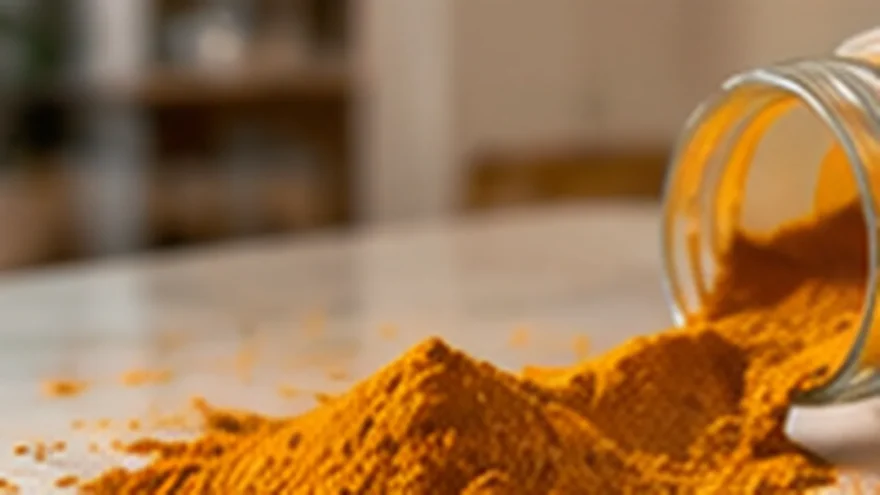
A staged approach to turmeric discoloration on engineered quartz that protects the resin-rich surface from unnecessary heat, abrasion and harsh chemistry.

Glass-ceramic cooktops need a different cleaning routine from ordinary glass because burned-on residue, metal transfer, and improper pads can damage the surface.

Remove cured cyanoacrylate from engineered quartz with a mechanical-first approach and cautious solvent escalation based on manufacturer compatibility.
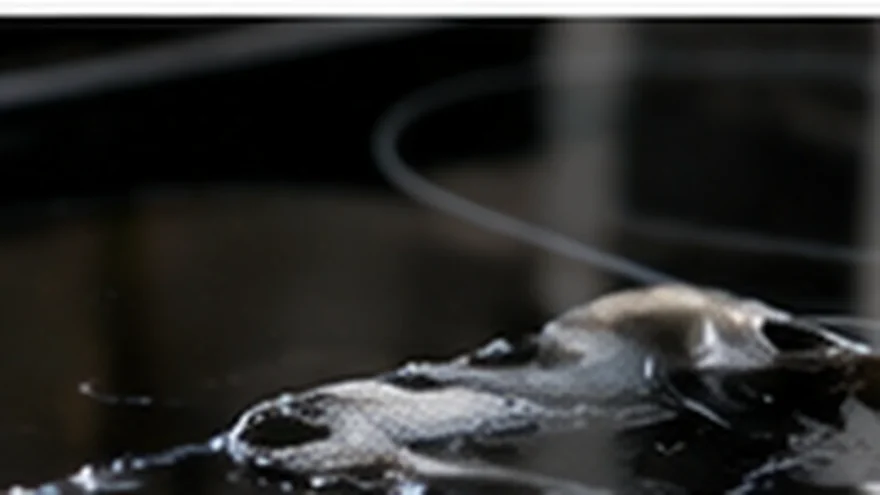
Use a surface-specific, conservative method for melted plastic on glass cooktop, with clear stop conditions before the finish is damaged.

Remove hard-water residue from quartz countertops without turning a mineral-deposit problem into dulling, chemical damage or unnecessary abrasion.
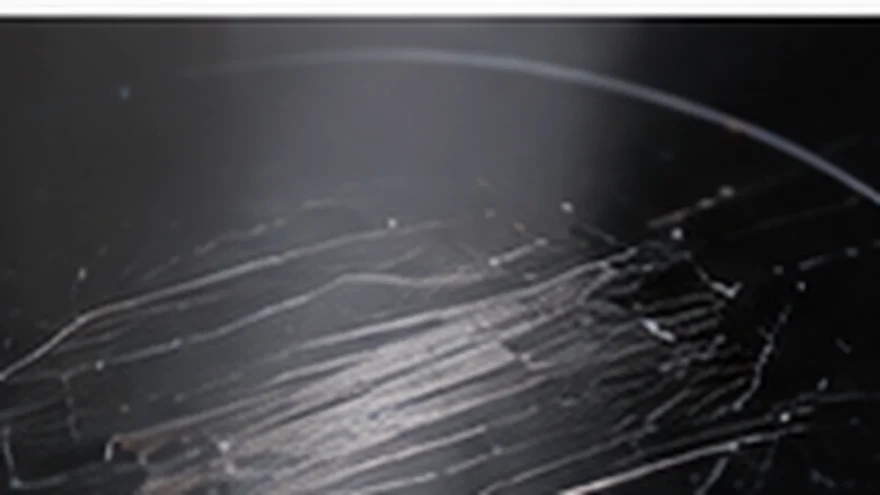
Use a surface-specific, conservative method for metal marks on glass cooktop, with clear stop conditions before the finish is damaged.

Lift coffee discoloration from quartz with a staged method that starts with neutral cleaning and keeps stronger stain treatment brand-specific.

Remove mineral buildup from faucets while accounting for chrome, stainless steel and coated finishes that can be damaged by aggressive acids or abrasives.

Diagnose scuffs versus true scratches, identify the grain, and avoid making a stainless-steel appliance finish look worse with random abrasion.