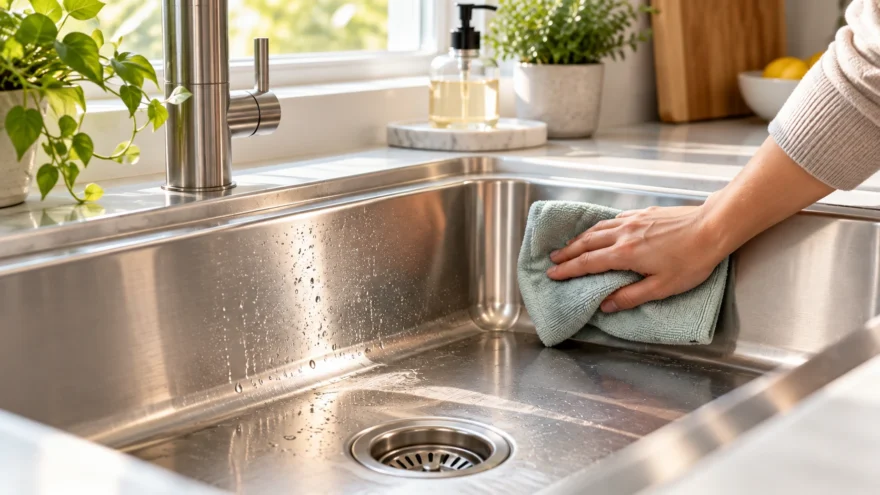
How to Prevent Rust Spots on a Stainless Steel Sink
Prevent recurring rust-colored spots by keeping foreign iron, trapped moisture, chlorides and metallic scouring tools away from the sink, then rinsing and drying after use.
6 min readRead guide →
Prevent recurring rust-colored spots by keeping foreign iron, trapped moisture, chlorides and metallic scouring tools away from the sink, then rinsing and drying after use.
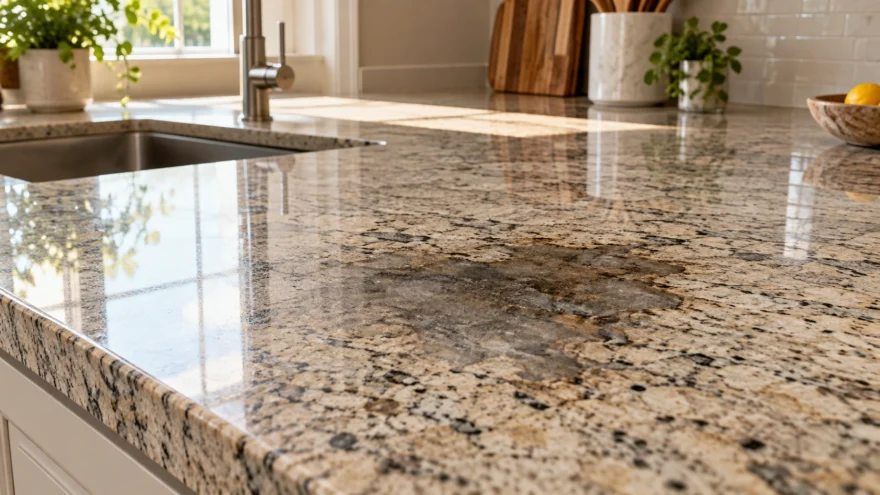
Granite can look darker from absorbed oil or moisture, cloudy from mineral or cleaner film, or uneven because of sealer, residue or finish changes. Diagnose the pattern before choosing a remover.

Goo Gone says its adhesive removers can be used on real stainless steel but not faux stainless steel. The important part is identifying the finish, pre-testing and washing residue away afterward.
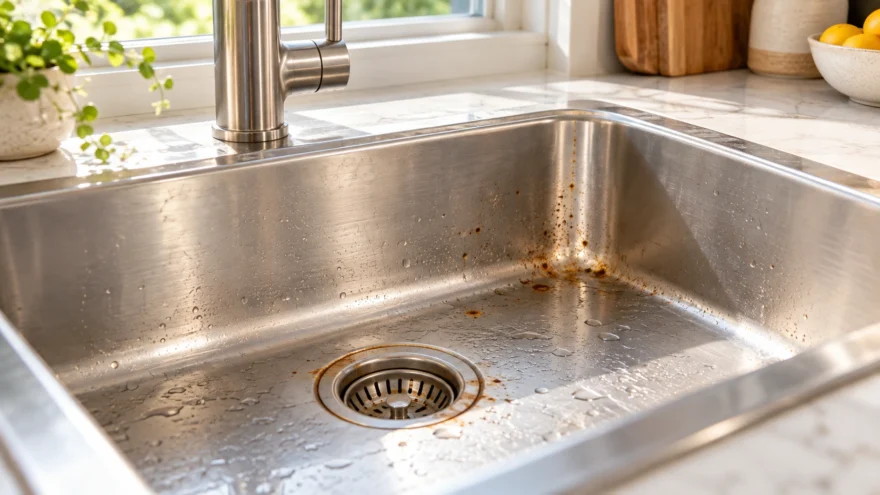
Brown spots on a stainless steel sink often come from deposited iron, trapped moisture or chemical exposure rather than the sink itself failing. This guide helps you identify the cause before cleaning harder.

Treat gray metal transfer on quartz as a surface deposit first, not automatically as a scratch, and use only finish-compatible cleaning methods.

Remove permanent marker from laminate with a mild-to-solvent escalation sequence that protects gloss, texture, seams and the decorative wear layer.
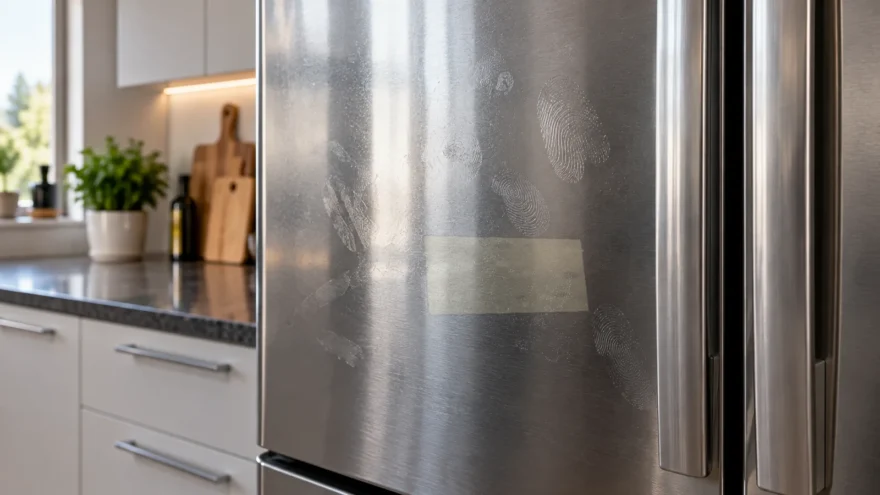
Sticker adhesive on stainless steel should be softened and lifted without turning the cleanup into a visible scratch or finish mismatch.

Remove greasy buildup from laminate cabinet faces with mild cleaning and controlled moisture while protecting seams, edges and the composite core.
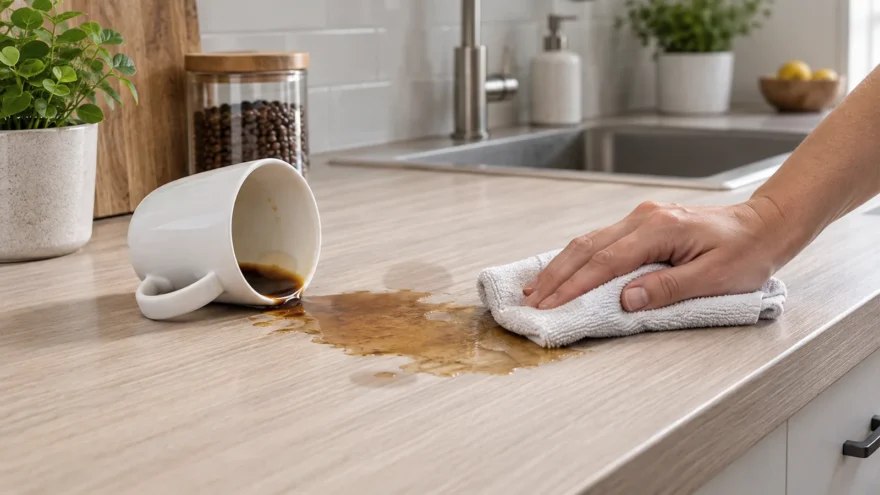
Remove stubborn stains from Formica laminate with manufacturer-backed escalation while protecting seams from moisture and avoiding abrasive damage.
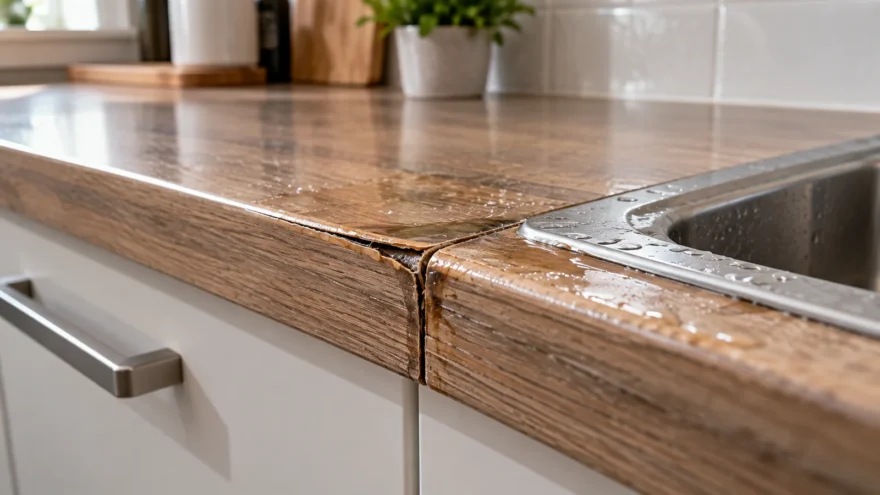
Swelling, lifting, or darkening at a laminate seam often means moisture has reached the substrate, so the first job is to stop the water source rather than scrub the face.