How to Assess Water Damage at a Laminate Countertop Seam
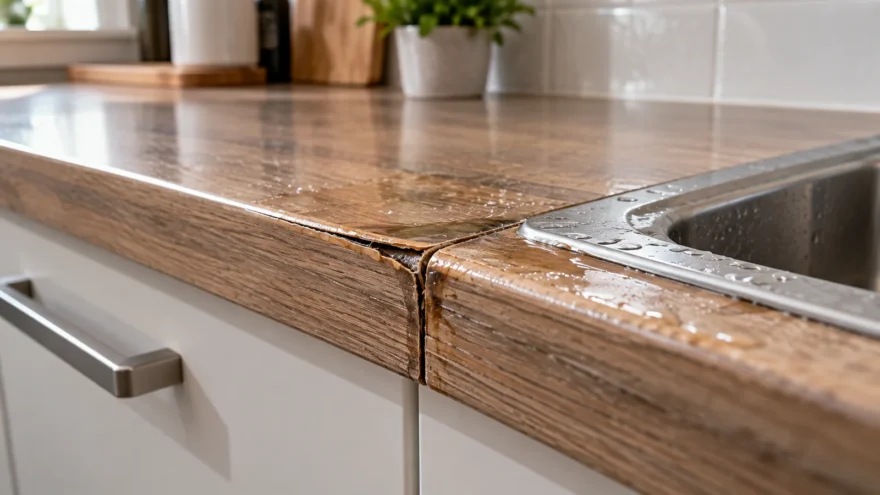
Swelling, lifting, or darkening at a laminate seam often means moisture has reached the substrate, so the first job is to stop the water source rather than scrub the face.

Swelling, lifting, or darkening at a laminate seam often means moisture has reached the substrate, so the first job is to stop the water source rather than scrub the face.

Remove mineral residue from granite countertops without relying on acids that can affect some stones or sealers.

Treat oil stains in granite with a stone-safe process, careful identification and realistic expectations for absorbed staining.

Tape, label, and construction residues on granite require a stone-safe approach that considers the stone, its sealer, and the chemistry of the adhesive.

A dark or cloudy mark on granite may be temporary moisture, a mineral deposit, an oil-based stain, sealer behavior, or a finish change rather than one generic “water stain.”

Remove hardened super glue from laminate using a controlled mechanical-first approach that protects the decorative layer, seams and substrate.

Remove water spots from stainless steel appliances while respecting grain direction and the difference between traditional and coated stainless finishes.

Diagnose light scuffs, true scratches and through-layer laminate damage before choosing a cosmetic repair or deciding that replacement is safer.

Grease and fingerprints can build a cloudy film on stainless appliances, especially near handles and cooking zones.

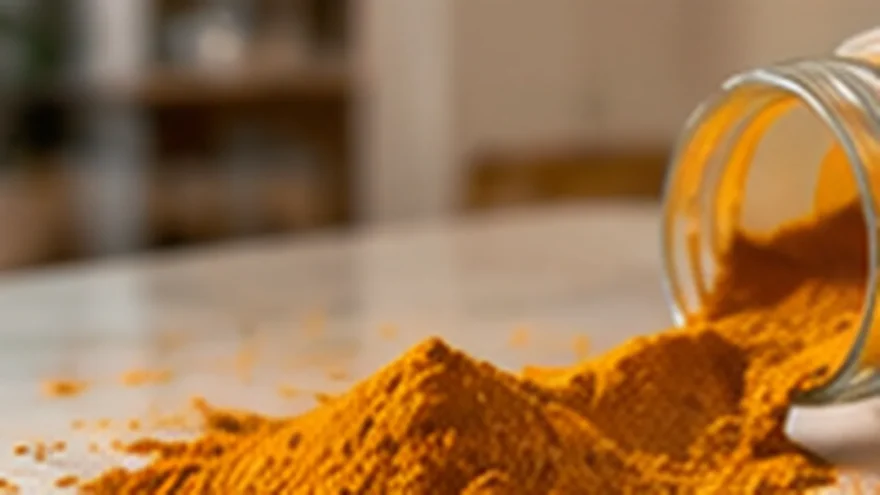
A staged approach to turmeric discoloration on engineered quartz that protects the resin-rich surface from unnecessary heat, abrasion and harsh chemistry.