
How to Remove Metal Marks From Quartz Countertops
Treat gray metal transfer on quartz as a surface deposit first, not automatically as a scratch, and use only finish-compatible cleaning methods.
10 min readRead guide →
Engineered quartz is nonporous but not chemically indestructible. This hub covers food pigments, grease, mineral film, metal transfer, adhesive residue and other countertop problems with brand-aware chemical limits and controlled mechanical action.
Engineered quartz is low-porosity and easy to maintain, but it still contains resins and pigments that can react to excessive heat, harsh solvents or aggressive abrasives. Most problems are best handled with controlled chemistry and light mechanical action.
Treat gray metal transfer on quartz as a surface deposit first, not automatically as a scratch, and use only finish-compatible cleaning methods.
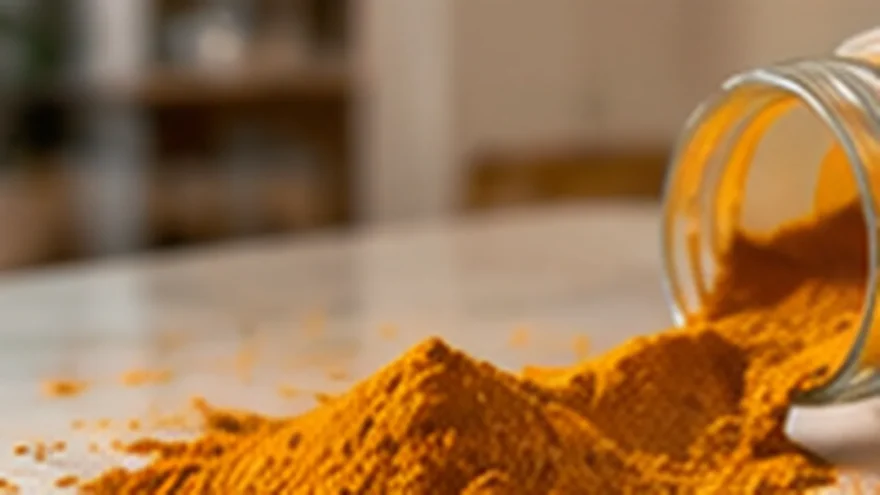
A staged approach to turmeric discoloration on engineered quartz that protects the resin-rich surface from unnecessary heat, abrasion and harsh chemistry.

Remove cured cyanoacrylate from engineered quartz with a mechanical-first approach and cautious solvent escalation based on manufacturer compatibility.

Remove hard-water residue from quartz countertops without turning a mineral-deposit problem into dulling, chemical damage or unnecessary abrasion.
Surface-safe guidance for remove grease from quartz countertops, with material-specific steps, stop signals and verified care references.

Surface-safe guidance for remove adhesive residue from quartz countertops, with material-specific steps, stop signals and verified care references.

Lift coffee discoloration from quartz with a staged method that starts with neutral cleaning and keeps stronger stain treatment brand-specific.