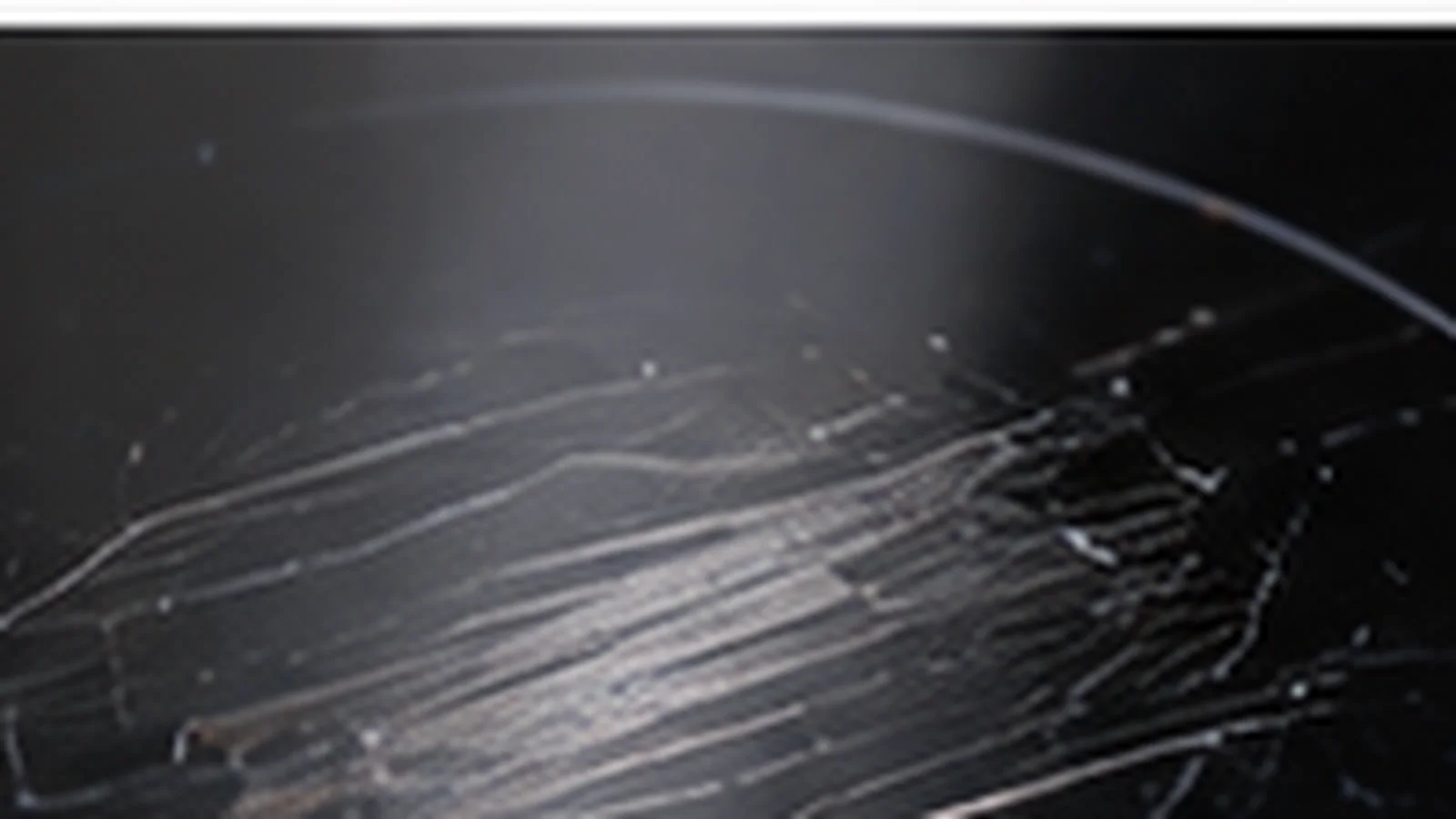
A successful repair starts by identifying the material, finish and type of mark before choosing a cleaner or tool. This SurfaceFixLab guide uses a conservative escalation method: begin with the least aggressive step that is appropriate for the surface, work in a small controlled area, remove residue, let the area dry, and reassess before moving to anything stronger. For this guide, the practical constraint is the Glass Cooktop on the Cooktop, so escalation should stop before treating Metal Marks begins to alter the finish.
Before you start: identify the exact surface
Do not assume two surfaces that look alike can be treated alike. Coatings, printed films, paint sheen, factory-applied fingerprint-resistant layers, stone sealers, wood finishes and acrylic sheets can react very differently to the same chemical or abrasive. Check the owner’s manual, care label, installation paperwork or manufacturer website when the exact product is known. If the finish is unknown, treat it as more delicate until a hidden-area test proves otherwise. Applied to How to Remove Metal Marks From a Glass Cooktop, this checkpoint should be read material-first: protect the Glass Cooktop and change only one variable at a time while assessing Metal Marks.
Use clean white microfiber cloths where possible so transferred color is easy to see. Work under good lighting and inspect the area from more than one angle. A mark that disappears while wet and returns when dry may be mineral residue, finish change or light surface damage rather than ordinary soil. For this guide, the practical constraint is the Glass Cooktop on the Cooktop, so escalation should stop before treating Metal Marks begins to alter the finish.
Start with the lowest-risk method
Remove loose dirt first. A clean surface makes diagnosis easier and prevents grit from turning gentle wiping into abrasion. Use a soft cloth, minimal moisture and a manufacturer-compatible mild cleaner. Do not flood seams, edges, control openings or joints. Give the method a short contact time rather than letting chemistry sit indefinitely. In this specific case, preserve the Glass Cooktop on the Cooktop rather than chasing the final trace of Metal Marks with stronger chemistry or abrasion.
After each pass, remove cleaner residue and dry the surface completely. Repeating a gentle method once can be reasonable, but repeated unsuccessful scrubbing is a warning that the diagnosis or method is wrong. Escalation should change one variable at a time so you can tell what caused an improvement or a new defect. Here, judge the result against the surrounding Glass Cooktop on the Cooktop; reducing Metal Marks is useful only while color, sheen and texture remain unchanged.
How to tell residue from damage
Residue usually changes when it is softened, dissolved or lifted. Damage does not. Stop treating a clean area as a stain when the remaining mark is a scratch, etched spot, softened coating, heat discoloration, swollen substrate, pitted glass, worn paint, altered sheen or missing finish. At that point, more solvent or abrasion can make the repair larger and more visible. In this specific case, preserve the Glass Cooktop on the Cooktop rather than chasing the final trace of Metal Marks with stronger chemistry or abrasion.
Pay particular attention to gloss. If a matte surface becomes shiny, a glossy surface turns cloudy, a brushed surface loses its directional texture or color begins to transfer to the cloth, stop. Those are signs the finish itself is being changed. Here, judge the result against the surrounding Glass Cooktop on the Cooktop; reducing Metal Marks is useful only while color, sheen and texture remain unchanged.
What not to do
- Do not combine cleaning chemicals.
- Do not reach for steel wool, abrasive powders, melamine foam, razor blades or strong solvents unless the surface manufacturer specifically allows that method.
- Do not assume vinegar, acetone, alcohol or baking soda are universally safe.
- Do not soak seams, wood edges, laminate joints, appliance controls or bonded trim.
- Do not keep rubbing after the mark stops changing.
When to stop DIY treatment
Stop if the surface softens, becomes tacky, loses color or sheen, develops scratches, shows pitting, swells at an edge, exposes a different layer, or if the manufacturer specifically excludes the planned method. Also stop when the remaining defect is clearly physical damage rather than removable residue. For this guide, the practical constraint is the Glass Cooktop on the Cooktop, so escalation should stop before treating Metal Marks begins to alter the finish.
Prevention after the repair
Return to the manufacturer’s routine-care method once the problem is solved. Dry water-prone surfaces, remove labels and spills before heat exposure, use trivets and protective pads where appropriate, keep grit away from glossy finishes, and avoid turning a successful spot treatment into an everyday cleaner unless the manufacturer approves routine use. Applied to How to Remove Metal Marks From a Glass Cooktop, this checkpoint should be read material-first: protect the Glass Cooktop and change only one variable at a time while assessing Metal Marks.
A practical escalation checklist
Before moving to a stronger method, ask four questions: Is the visible mark becoming smaller? Is the surrounding finish unchanged after drying? Does the next step appear in the manufacturer’s permitted care guidance? Can the stronger method be confined to the affected spot? If any answer is no, pause rather than escalating. For this guide, the practical constraint is the Glass Cooktop on the Cooktop, so escalation should stop before treating Metal Marks begins to alter the finish.
Document the starting condition with a quick photo if the area is valuable or highly visible. The photo makes it easier to recognize subtle changes in gloss or color after treatment and can help a manufacturer, installer or repair professional evaluate the problem if DIY work needs to stop. Applied to How to Remove Metal Marks From a Glass Cooktop, this checkpoint should be read material-first: protect the Glass Cooktop and change only one variable at a time while assessing Metal Marks.
Why SurfaceFixLab separates similar-looking problems
A pale ring can be mineral residue, trapped moisture or finish whitening. A dark line can be transferred metal, a scuff or an actual scratch. Sticky material can be adhesive, softened coating or uncured sealant. The safest method depends on that distinction. Our workflow therefore favors diagnosis and controlled tests over universal cleaning hacks. For this guide, the practical constraint is the Glass Cooktop on the Cooktop, so escalation should stop before treating Metal Marks begins to alter the finish.
Frequently asked questions
Should I test every cleaner?
Test unfamiliar products and stronger-than-routine methods in an inconspicuous area. Let the test spot dry completely before judging the result. Applied to How to Remove Metal Marks From a Glass Cooktop, this checkpoint should be read material-first: protect the Glass Cooktop and change only one variable at a time while assessing Metal Marks.
How many attempts are reasonable?
Usually one or two controlled passes are enough to show whether the approach is working. If there is no meaningful improvement, reassess rather than increasing pressure or dwell time indefinitely. Here, judge the result against the surrounding Glass Cooktop on the Cooktop; reducing Metal Marks is useful only while color, sheen and texture remain unchanged.
Why did the mark remain after cleaning?
The visible change may no longer be removable contamination. Heat, abrasion, etching, coating wear, moisture intrusion and discoloration beneath a clear finish can remain after the surface is fully clean. In this specific case, preserve the Glass Cooktop on the Cooktop rather than chasing the final trace of Metal Marks with stronger chemistry or abrasion.
Metal transfer is not always a scratch
Dark or silver marks on a glass cooktop can be transferred cookware material rather than gouges. GE notes that aluminum or copper residue may be removable with approved cooktop cleaner and, for suitable deposits, a razor scraper.
Controlled removal
- Let the cooktop cool unless the manufacturer identifies a hot-removal exception.
- Clean loose grease and food first.
- Apply the approved cooktop cleaning cream.
- Use the approved pad with light pressure.
- For remaining transfer, use only the scraper method permitted by the manufacturer.
A successful repair starts by identifying the material, finish and type of mark before choosing a cleaner or tool. This SurfaceFixLab guide uses a conservative escalation method: begin with the least aggressive step that is appropriate for the surface, work in a small controlled area, remove residue, let the area dry, and reassess before moving to anything stronger. In this specific case, preserve the Glass Cooktop on the Cooktop rather than chasing the final trace of Metal Marks with stronger chemistry or abrasion.
Reference source
Primary reference: manufacturer/material care guidance. Exact product instructions, finish restrictions and warranty language take precedence over generalized advice. Applied to How to Remove Metal Marks From a Glass Cooktop, this checkpoint should be read material-first: protect the Glass Cooktop and change only one variable at a time while assessing Metal Marks.
Metal transfer or actual glass damage?
Gray or silver-looking marks on a glass cooktop are often transfer from cookware, but a line that catches a fingernail or remains unchanged after approved cooktop cleaner may be a scratch instead. Clean the surface first, use the manufacturer-approved cooktop product and non-scratch applicator, then inspect only after the panel is completely dry. That sequence prevents residue from being mistaken for physical damage.
Stop condition: if the mark has depth, the glass is chipped, or an apparent stain remains unchanged while the surrounding surface becomes cleaner, stop increasing abrasion. A scratch cannot be safely scrubbed out by progressively harsher household methods.
Prevention for repeat metal transfer
Keep cookware bottoms clean and dry, lift rather than drag heavy pans, and remove granular residue before sliding cookware. Repeated transfer is often a contact-and-friction problem rather than a cleaning-product problem.
Launch navigation paths
Continue with Glass Cooktop guide hub or Metal Marks guide hub or Appliance Surface Care Guides. These routes keep the advice connected to the exact material, problem and household object instead of treating this repair as an isolated cleaning hack.
Check the cookware as well as the glass
Recurring gray transfer often means the source is still contacting the cooktop. Inspect pan bottoms for rough machining, baked-on residue or exposed metal that can repeatedly mark the panel. Cleaning the cooktop without correcting that source can produce the same lines again after the next use. Once the glass is clean, keep cookware bases clean and dry and avoid sliding heavy pans across the cooking zone.
Reference set verified 2026-09-16. Manufacturer/material-owner guidance prioritized; exact model and finish instructions take precedence.