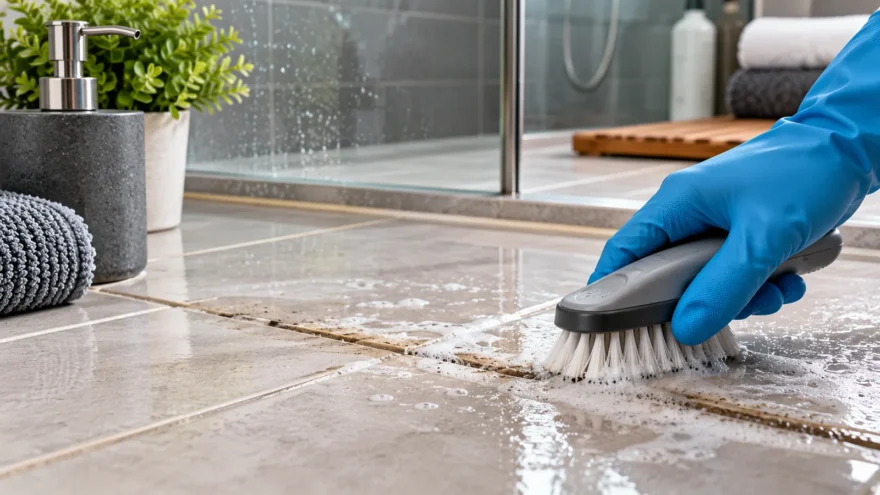
How to Remove Soap Scum From Shower Grout Safely
Surface-safe guidance for remove soap scum from shower grout safely, with material-specific steps, stop signals and verified care references.
7 min readRead guide →
Hard-water scale, limescale and rust-colored deposits can look similar but come from different sources. This hub emphasizes source control, material compatibility and the special risk acids create for natural stone, coatings and some metal finishes.
Surface-safe guidance for remove soap scum from shower grout safely, with material-specific steps, stop signals and verified care references.

Mineral deposits on ceramic tile often respond to controlled cleaning, but grout, sealers, metallic trim, and nearby stone can change what is safe to use.
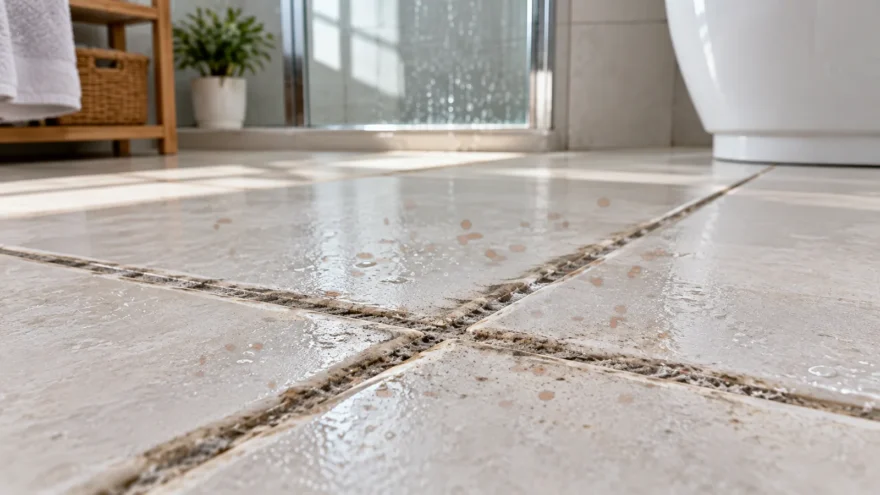
Rust-colored marks on ceramic tile may come from metal objects, water, or nearby fixtures, and the treatment must respect the glaze and grout around the stain.

Use a surface-specific, conservative method for hard water on porcelain, with clear stop conditions before the finish is damaged.
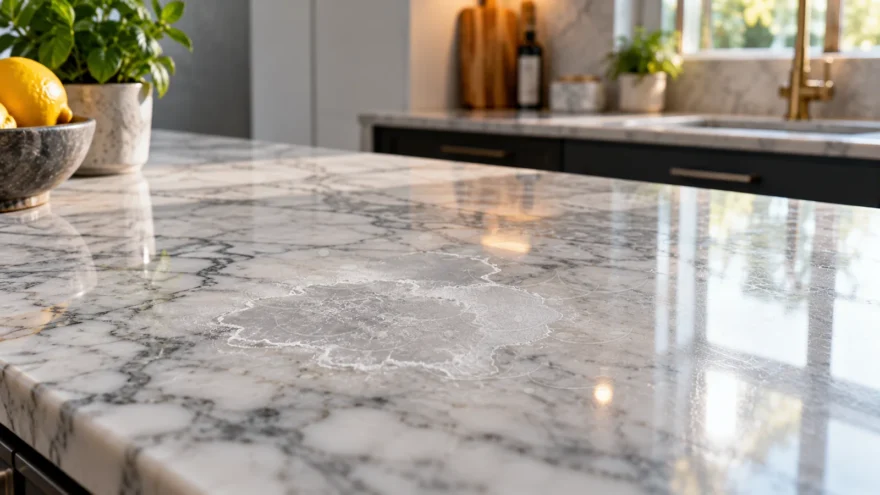
Surface-safe guidance for mineral deposits on polished marble, including diagnosis, step-by-step escalation, stop signals and material-specific precautions.

Surface-safe guidance for remove rust stains from grout, with material-specific steps, stop signals and verified care references.

Remove soap scum from glass shower doors with a surface-safe method that separates ordinary film, mineral buildup and permanent glass damage.
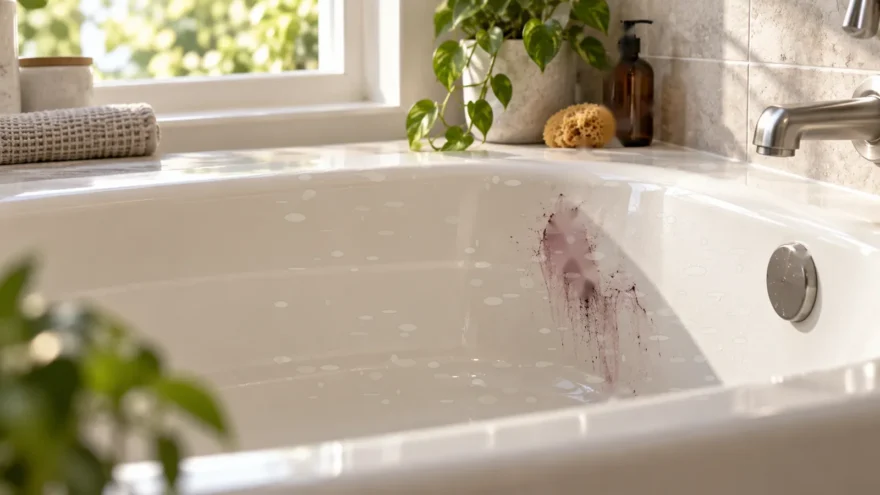
Remove soap scum from acrylic shower walls with a low-abrasion method that protects the glossy plastic surface.
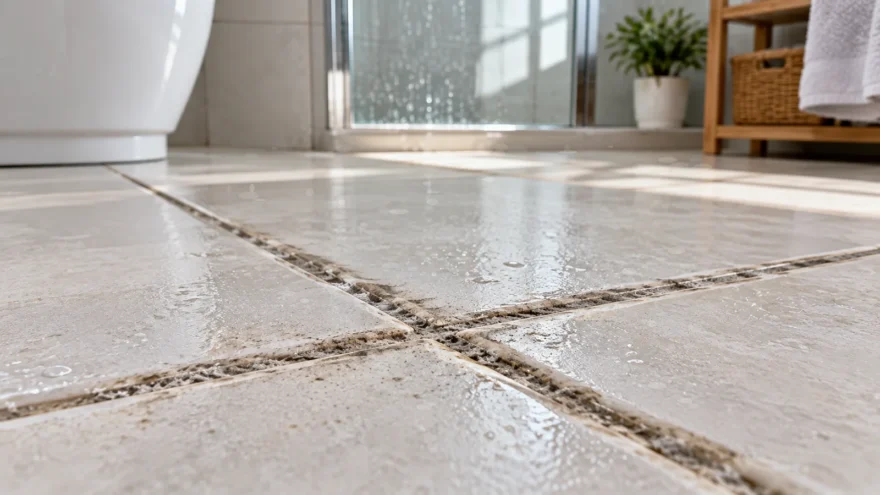
Remove soap scum from porcelain tile while protecting grout, polished finishes, and nearby natural stone.
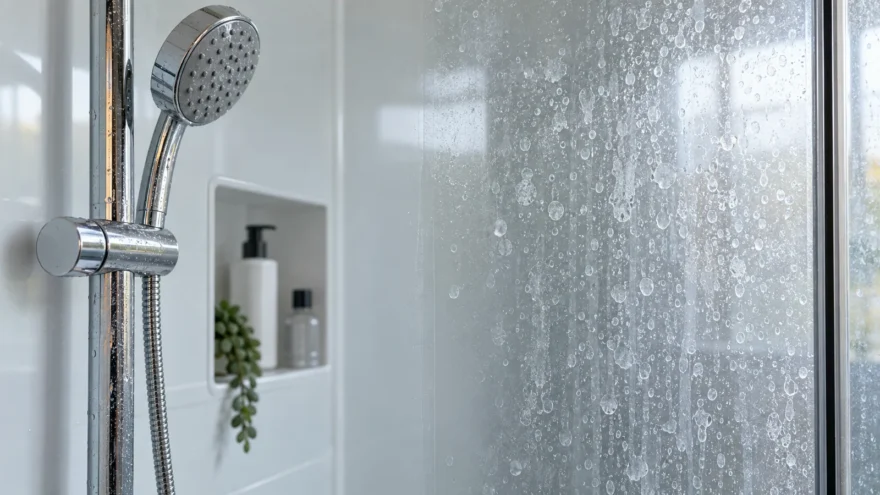
A surface-safe method for mineral deposits on shower glass, including how to tell buildup from permanent etching and when to stop scrubbing.