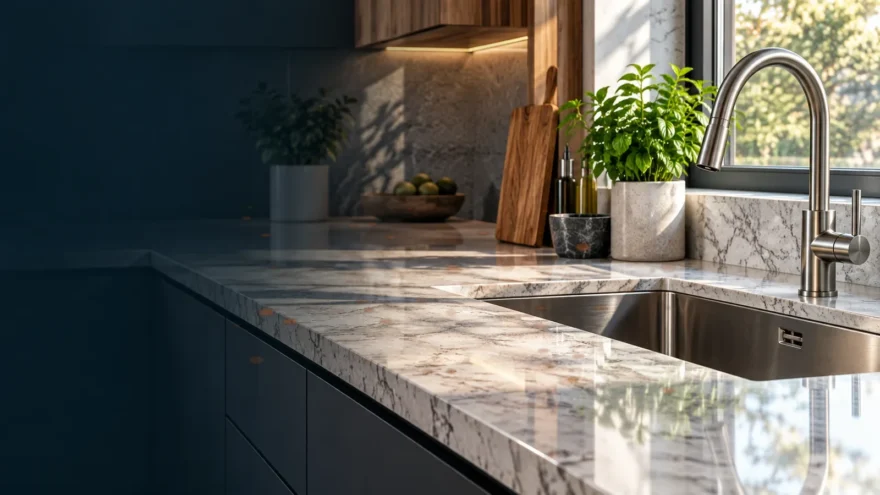
How to Treat Rust Stains on Natural Stone
Understand why rust stains in natural stone often require a poultice and when professional restoration is the safer choice.
12 min readRead guide →
Rust-colored staining may come from iron in water, metal transfer, corroding hardware or embedded contamination. The surface underneath determines whether a rust remover is appropriate and how aggressively the stain can be treated.
Understand why rust stains in natural stone often require a poultice and when professional restoration is the safer choice.
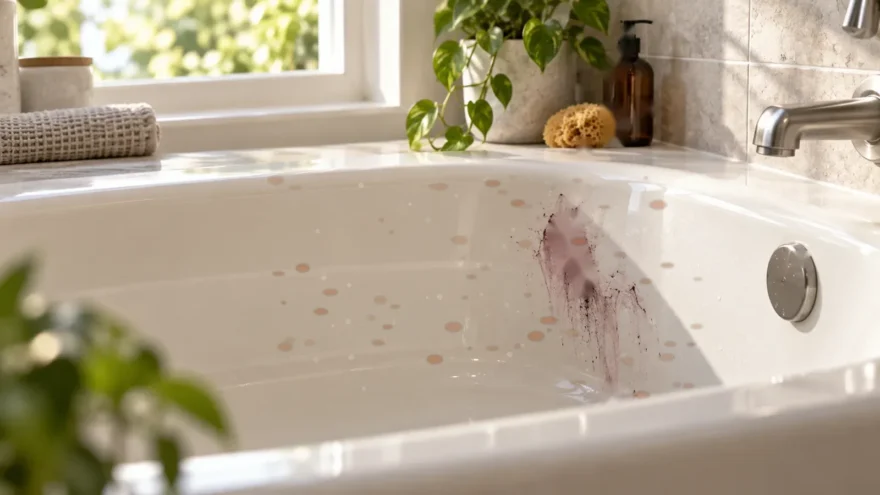
Surface-safe guidance for rust-colored staining on Vikrell, including diagnosis, step-by-step escalation, stop signals and material-specific precautions.
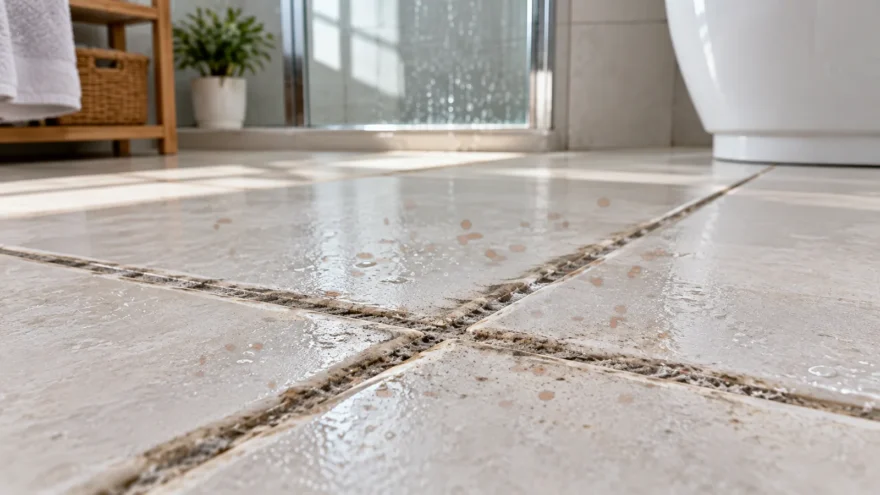
Rust-colored marks on ceramic tile may come from metal objects, water, or nearby fixtures, and the treatment must respect the glaze and grout around the stain.

Surface-safe guidance for remove rust stains from grout, with material-specific steps, stop signals and verified care references.
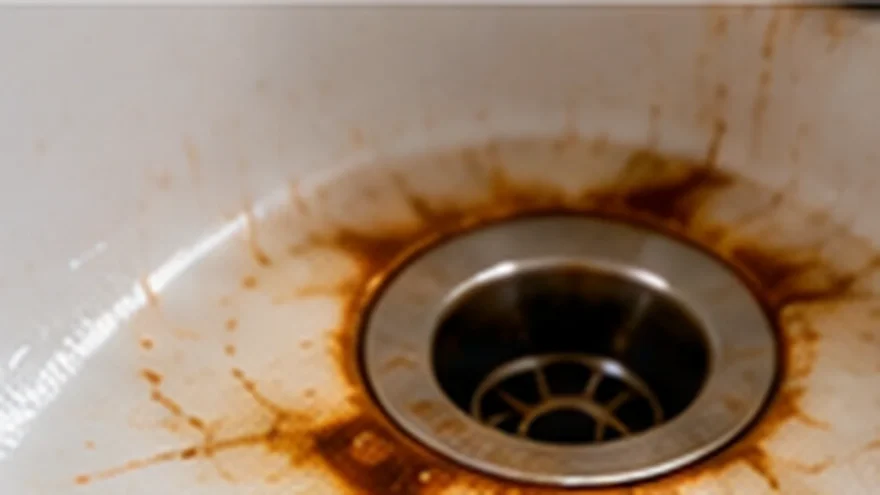
A conservative rust-stain process for intact porcelain glaze, with warnings for refinished sinks, damaged glaze and abrasive tools.
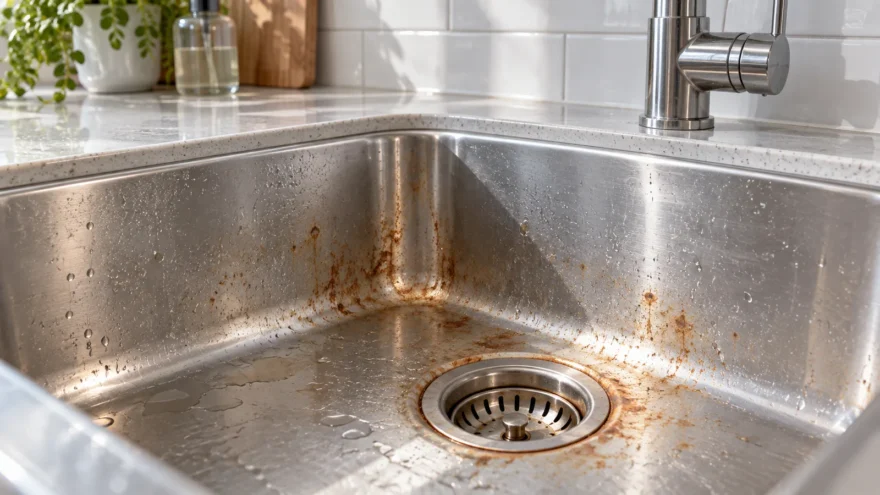
Use a surface-specific, conservative method for rust on stainless steel, with clear stop conditions before the finish is damaged.