
How to Remove Hard Water Stains From a Matte Black Faucet
Use a surface-specific, conservative method for hard water on matte black finish, with clear stop conditions before the finish is damaged.
13 min readRead guide →
Hard-water marks are mineral deposits left behind as water evaporates. Glass, quartz, porcelain, stainless steel, acrylic and natural stone require different escalation paths, and acid-sensitive materials can be damaged by otherwise common descaling methods.
Use a surface-specific, conservative method for hard water on matte black finish, with clear stop conditions before the finish is damaged.
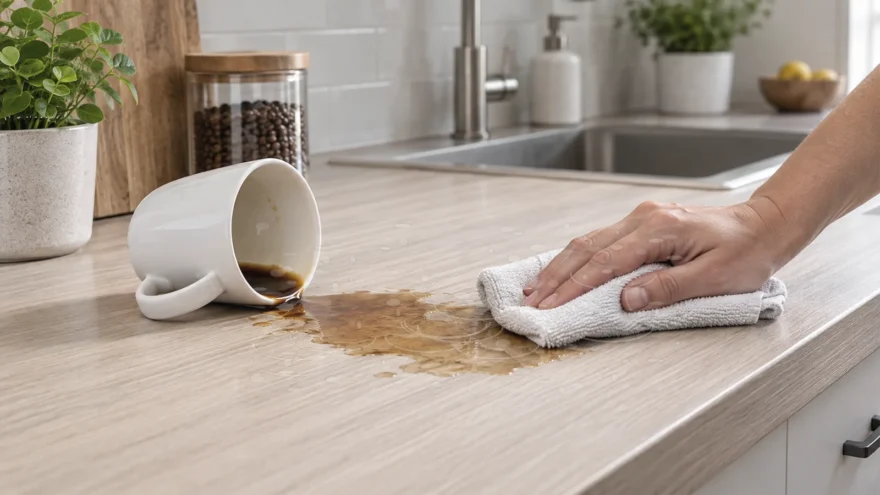
Surface-safe guidance for mineral film on Corian-type solid surface, including diagnosis, step-by-step escalation, stop signals and material-specific precautions.

Remove mineral residue from granite countertops without relying on acids that can affect some stones or sealers.

Mineral deposits on ceramic tile often respond to controlled cleaning, but grout, sealers, metallic trim, and nearby stone can change what is safe to use.

Use a surface-specific, conservative method for hard water on porcelain, with clear stop conditions before the finish is damaged.
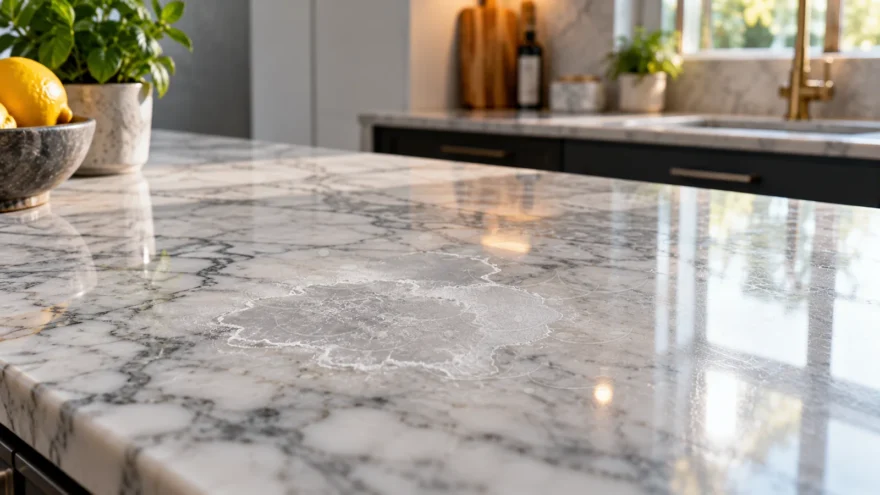
Surface-safe guidance for mineral deposits on polished marble, including diagnosis, step-by-step escalation, stop signals and material-specific precautions.
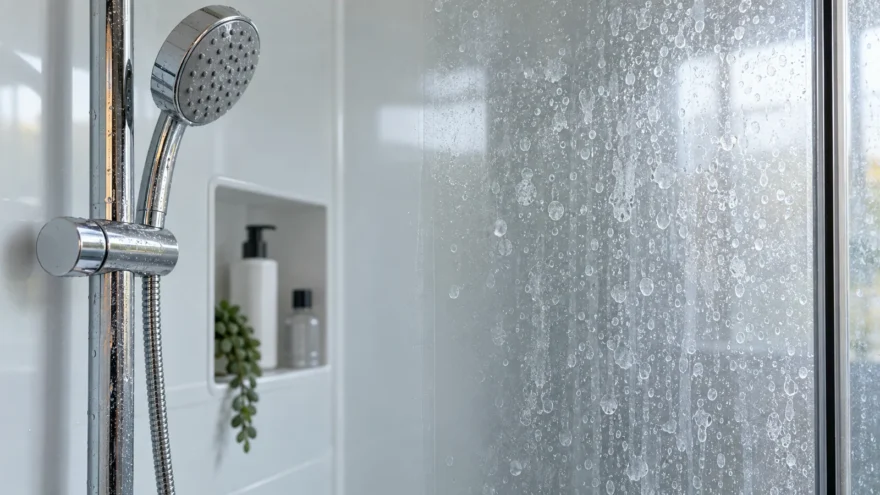
A surface-safe method for mineral deposits on shower glass, including how to tell buildup from permanent etching and when to stop scrubbing.

Remove hard-water residue from quartz countertops without turning a mineral-deposit problem into dulling, chemical damage or unnecessary abrasion.
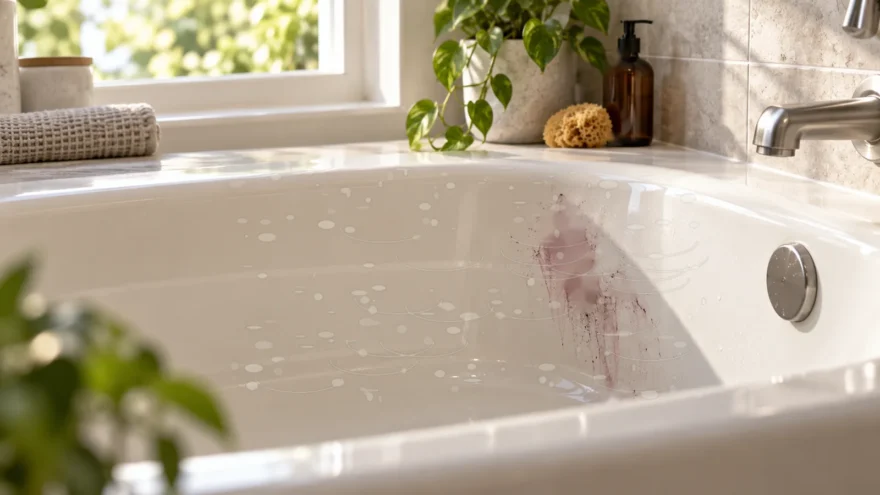
Remove hard water spots from acrylic shower surfaces without defaulting to acids or abrasive scrubbing.

Water spots on shower glass are usually mineral deposits left after droplets evaporate, but persistent cloudiness can also be etched or coating-related.