How to Remove Grease Stains From Painted Walls Without Stripping the Paint
Remove grease from painted walls with a finish-aware method that controls moisture, pressure and detergent strength, especially on flat and matte paint.
Stains and residues are not one problem. Pigments, oils, waxes, adhesive films and transferred marks respond to different chemistry, and the safest method depends on the surface underneath. This hub starts with diagnosis, then narrows by material and object.

Remove grease from painted walls with a finish-aware method that controls moisture, pressure and detergent strength, especially on flat and matte paint.

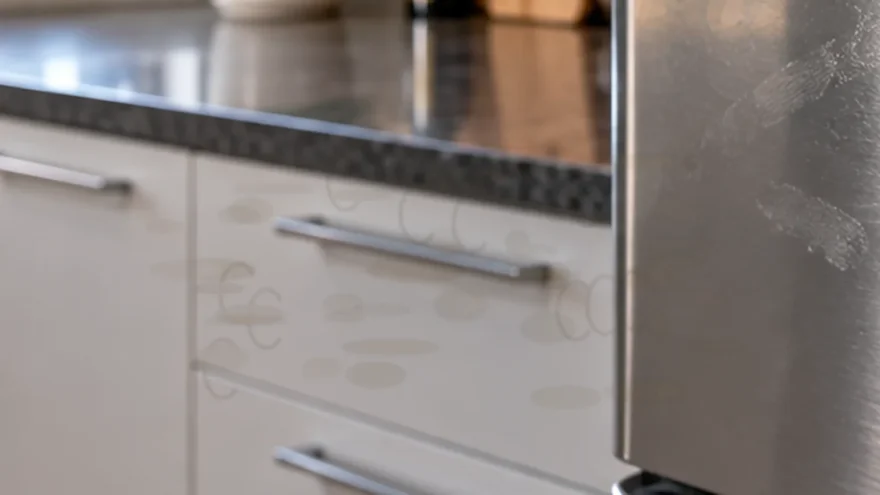
Use a surface-specific, conservative method for grease on painted cabinet, with clear stop conditions before the finish is damaged.

Use a surface-specific, conservative method for permanent marker on painted wall, with clear stop conditions before the finish is damaged.

Candle wax on carpet is easiest to control when you harden and lift the bulk first, then deal carefully with remaining wax or dye without spreading the stain.

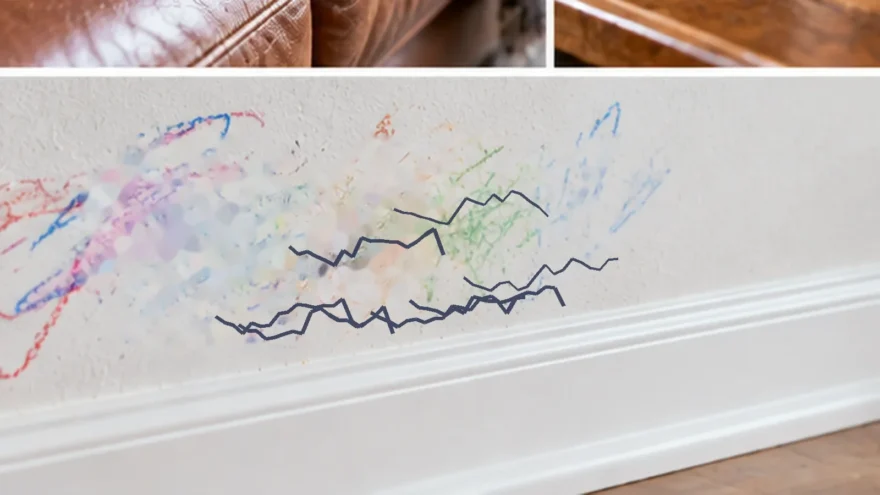
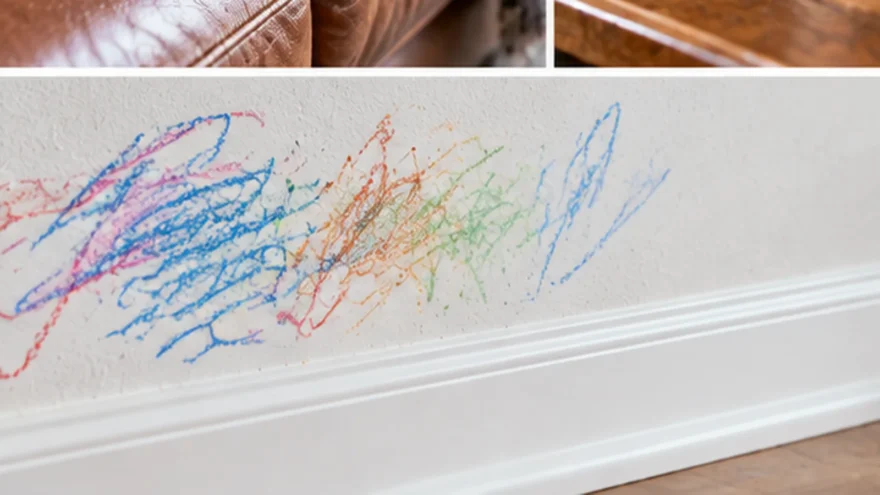
Surface-safe guidance for remove crayon from painted walls without damaging paint, with material-specific steps, stop signals and verified care references.

Remove greasy buildup from laminate cabinet faces with mild cleaning and controlled moisture while protecting seams, edges and the composite core.

Remove fresh or dried hair dye from a porcelain sink without scratching the glaze, and learn when the sink may actually be acrylic, composite or refinished.

Remove permanent marker from laminate with a mild-to-solvent escalation sequence that protects gloss, texture, seams and the decorative wear layer.

Permanent marker on porcelain needs a controlled material-safe approach. Start gently, protect the finish, test first and escalate only when the surface remains unchanged.

Remove candle wax from finished wood by hardening and lifting bulk wax first, then cleaning residue without overheating, scraping or dissolving the finish.